Crochet for Anxiety: Is It Really Relaxing?
What the repetitive motion actually does, and how to set your project up so it stays calming rather than frustrating.
In my classes, I've lost count of the students who first picked up a hook not to make anything in particular, but because someone had told them crochet for anxiety might settle a busy mind. One woman stands out: she arrived at her first session with her jaw tight from a difficult month, and left twenty minutes later holding a neat little square of single crochet, her shoulders a full inch lower than when she'd sat down. The counting, she said, gave her racing thoughts somewhere to land. I'm always careful to say it plainly — crochet is not a cure — but that steady, rhythmic motion has a way of turning a restless evening into something quieter, one stitch at a time.
Why repetitive motion feels calming
The appeal isn't unique to crochet — it's shared with other repetitive activities like knitting, walking, or colouring. Doing the same small motion over and over gives your attention somewhere steady to rest, without demanding the kind of sustained mental effort that can feel exhausting when you're already stretched thin.
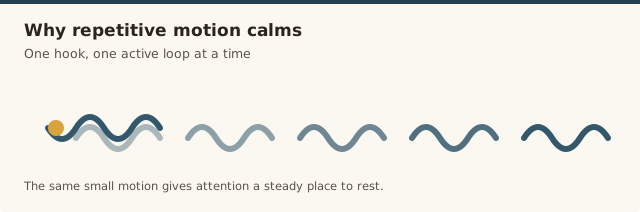
Crochet has a practical edge here too: it only needs one hook and one active loop at a time, so there's less to track than in crafts with more moving parts. Our crochet vs knitting comparison covers this in more depth if you're deciding between the two.
There's also a tactile side that's easy to overlook. Yarn has weight and texture, and feeling it move through your fingers stitch after stitch gives your hands something concrete to do while your mind settles — not unlike the way some people use a fidget tool or a stress ball, except the end result is something you keep. That physical, hands-on quality is part of why crochet tends to work even for people who find sitting still with their eyes closed unhelpful; it gives restlessness somewhere productive to go instead of asking it to disappear.
Getting the project right matters
A calming craft can become a stressful one fast if the project is wrong for the moment. A few things that keep crochet on the relaxing side:
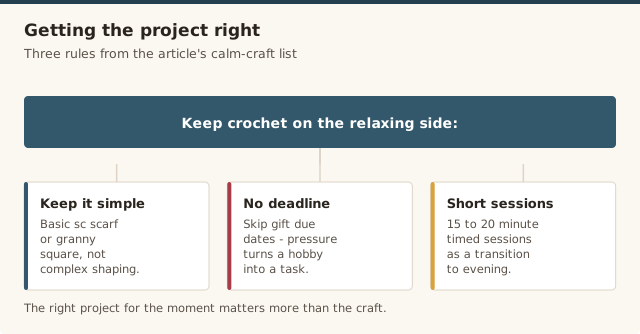
- Pick something simple. A basic single crochet scarf or granny square, from our easiest first projects guide, needs far less concentration than a pattern with complex shaping.
- Skip the deadline. A gift with a due date turns a relaxed hobby into a task with pressure attached. Projects without a deadline are easier to pick up and put down as you need.
- Don't start when already frustrated. Learning a brand-new stitch is a different activity from repeating a familiar one — save new techniques for when you have patience to spare.
Yarn choice matters more than people expect, too. A rough or splitty yarn fights you on every stitch, which quietly undoes any calming effect before you've noticed why the project feels annoying. A soft, smooth worsted-weight yarn in a natural fiber blend is usually easiest on the hands over a long session, and a hook with a comfortable grip keeps tension from building up in your fingers and wrist; if your hands get tired easily, our best crochet hooks for arthritis guide points to the gentlest options. None of this needs to be expensive; it just needs to feel good to hold for twenty minutes at a stretch.
A simple wind-down routine
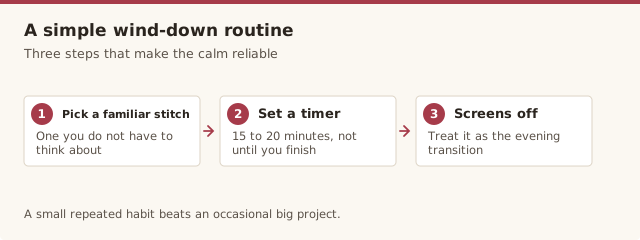
The calming effect seems to show up more reliably when crochet is a small, repeated habit rather than an occasional big project. A short routine that works for a lot of people: pick one simple, familiar stitch pattern you don't have to think about, set a timer for 15 or 20 minutes rather than an open-ended session, and treat it as a transition between the busier part of the day and settling down for the evening — screens off, kettle on, hook in hand.
Keeping a single "no-stakes" project going for exactly this purpose helps, too. It doesn't need to become anything in particular; a growing rectangle of single crochet that eventually turns into a dishcloth or a small blanket square works fine. The point isn't the finished object, it's having something familiar to pick up without any decisions to make first.
Some people pair the habit with something else calming — a podcast, quiet music, or just sitting near a window rather than in front of a screen. Crochet works well this way because the stitches don't need your eyes once the pattern is familiar, so it can sit alongside another wind-down habit instead of competing with it. What matters is consistency more than duration: a reliable 15 minutes most evenings tends to do more than an occasional two-hour session.
The social side of crochet
The repetitive motion is only half of what people describe getting out of crochet. The other half is often connection: a local "stitch and bitch" group, a weekly meetup at a yarn shop, or even an online community swapping progress photos. For a lot of people, the craft is really just the reason to be in the room — the conversation and sense of being part of something is what actually helps most.
If in-person groups aren't accessible, online spaces built around crochet (subreddits, Facebook groups, Pinterest boards like ours) offer a lighter-touch version of the same thing: a place to share what you're working on and see that other people hit the same snags you do. It costs nothing to join, and there's no obligation to post anything until you feel like it.
There's also a gentle accountability effect worth mentioning. Knowing a group meets on Thursday evenings, or that a friend is working on the same pattern, gives some people a reason to actually sit down and start — even on days when motivation is low. That said, it's worth staying honest with yourself about whether a group adds pressure instead of easing it; if a meetup starts to feel like an obligation, it's fine to step back and keep crochet as a solo habit for a while.
When it stops being relaxing
If you notice a project starting to feel like a chore, that's usually a sign it's the wrong project for the moment, not that crochet itself isn't working for you. Switching to something simpler and more repetitive — even just a swatch with no end goal — often brings the calming part back.
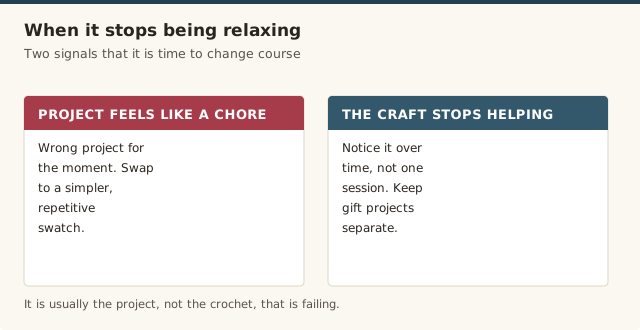
It's also worth paying attention to how you feel about crochet in general over time, not just in a single session. If the hobby starts to feel like one more obligation on a long list, or if picking up a hook brings on dread rather than relief, that's a signal to set it aside for a while rather than push through. A hobby that's meant to lower stress shouldn't become another source of it.
Common mistakes & fixes
Fix: keep one simple, familiar pattern in reserve specifically for stressful days, and save new techniques or complex patterns for when you have patience and focus to spare.
Fix: keep gift projects separate from your wind-down routine, and pick something without a deadline when the goal is specifically to unwind.
Fix: remember that finished-project photos rarely show the frogged rows and mistakes behind them — your own pace and tension are the only ones that matter for a relaxation project.
Fix: treat it as one helpful habit among others, not a substitute for talking to a doctor, therapist, or someone you trust if anxiety is a bigger, ongoing problem.
Frequently asked questions
Does crochet actually help with anxiety?
Many people find repetitive, rhythmic crafts like crochet calming, since the repeated motion gives the hands and mind something steady to focus on. It isn't a replacement for professional support, but it's a low-cost, accessible activity some people find genuinely soothing.
What kind of crochet project is best for stress relief?
Simple, repetitive projects with no complicated counting work best, such as a single crochet scarf or a basic granny square. Complex patterns that require close attention can add stress rather than relieve it.
Can crochet be frustrating instead of relaxing?
Yes, particularly for beginners tackling a project above their current skill level. Starting with something too advanced, or picking a pattern with a tight deadline, can turn a calming activity into a stressful one.
Is crochet a substitute for therapy or medication?
No. Crochet can be a genuinely enjoyable, low-cost way to unwind, but it isn't a treatment for anxiety or any mental health condition. Anyone dealing with ongoing anxiety should still speak with a qualified professional; crochet works best as an addition to that support, not a replacement for it.
How much time should I spend crocheting for it to feel relaxing?
There's no set amount — even 10 to 15 minutes of simple, repetitive stitching can shift focus away from a stressful thought loop. It's meant to fit around your day, not become another task with a quota to hit.
Does crochet help with focus, not just stress?
Many people find that following a simple, repeating stitch pattern gives a wandering mind one steady thing to return to, similar to how counting breaths works in basic mindfulness practice. It's a side effect of the repetition, not a guaranteed outcome for everyone.
Can crocheting before bed help me sleep?
Many people find a short, screen-free crochet session helps them wind down before bed, but complex counting can keep the brain alert — stick to a simple, familiar stitch in the last hour of the evening.
What's the best crochet stitch for anxiety?
There's no single best stitch, but simple, repetitive ones like single or half double crochet work well because they need little counting and let your hands settle into a steady rhythm.
CrochetGuides is a participant in the Amazon Services LLC Associates Program. As an Amazon Associate we earn from qualifying purchases, at no extra cost to you.