How to Build a Budget Yarn Stash Without Buying Junk
Building a yarn stash on a budget takes a keen eye and a simple test, but knowing when cheap yarn is a false economy will save you hours of frustration.
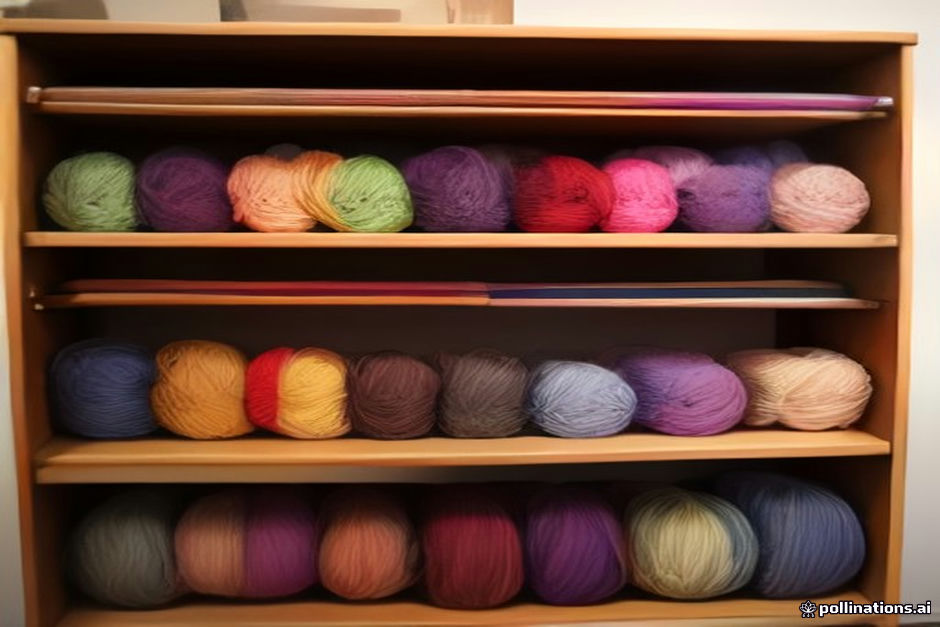
Whether you are hunting through market stalls, car boot sales, or thrift store bins, scoring great yarn for pennies is deeply satisfying. However, bargain hunting only works if you can evaluate what you are actually buying. Let us look at how to inspect mystery yarn, when cheap prices actually cost you more, and how to put together a reliable stash of workhorse fibers without breaking the bank.
Finding Gold in Charity Shops and Market Stalls
Thrift stores and outdoor market stalls are absolute treasure troves for the budget-conscious crocheter. You can often find full bags of discontinued commercial yarn or leftovers from grandmakers' stashes sold for a fraction of retail price. When I am browsing charity shop shelves, I look past the bright colors and immediately check the physical condition of the skeins. Make sure the ties are secure and the yarn has not started unwravelling into a giant, tangled bird's nest that will take you hours to sort out.
Always smell secondhand yarn before you buy it. Basements, damp garages, and homes with heavy smoke or pet odors can leave yarn with stubborn smells that standard washing will not always fix. If a bargain bundle smells musty or chemical, leave it behind. Your hands and your finished crochet projects will thank you for passing on a smelly deal.
- Check for secure center pulls or neatly wound outer layers
- Sniff the yarn to check for musty or smoky odors
- Look for large multi-skein lots so you have enough for a whole project
The Wraps-Per-Inch Test for Mystery Yarn
One of the biggest challenges of buying thrift store yarn is that the paper labels are usually missing. Without a label, you have no idea what fiber content you are holding, nor do you know the recommended hook size or yarn weight. Fortunately, you can easily figure out the weight of any mystery yarn using a standard ruler and the wraps-per-inch, or WPI, method.
Take your mystery yarn and wrap it smoothly around a ruler without overlapping the strands, covering exactly one inch. Count how many individual wraps fit into that single inch. If you get 18 to 30 wraps, you are looking at fingering or sport weight. If you get 9 to 11 wraps, it is a chunky or bulky weight. This simple test takes ten seconds and removes all the guesswork from your bargain haul.
- Wrap yarn snugly around a clear ruler for one inch
- Count the wraps without squishing them together
- Match your count to a standard WPI chart to find the yarn weight
When Cheap Yarn Is Actually a False Economy
We all love a bargain, but cheap yarn can sometimes turn into a false economy if it makes your crochet experience miserable. Extremely old acrylic or bargain-bin novelty yarns often lack proper twist, meaning your hook will constantly split the plies. If you spend three hours fighting split yarn to make a baby blanket, that fifty-cent saving suddenly feels very expensive in terms of your time and enjoyment.
Another hidden trap is buying single, random partial skeins of cheap novelty yarn with no clear project in mind. If you buy a single ball of novelty eyelash yarn or unlabelled mohair blend because it costs a dollar, ask yourself what you will actually make with it. If it sits in your stash forever because there is not enough of it to make anything useful, even a dollar is money wasted.
- Avoid severely plied-down or fuzzy yarns that split easily
- Calculate if you actually have enough yardage for a specific project
- Skip mystery novelty yarns unless you have an immediate plan
Managing Leftover Scraps and Partial Skeins
A healthy budget stash naturally accumulates leftover yarn from past projects. Instead of letting these scraps pile up in a messy heap, organize them by fiber type and estimated weight as soon as you finish a project. Keeping your cotton scraps separate from your acrylic scraps ensures you do not accidentally combine fibers with different washing behaviors in the same blanket.
Small leftover balls are brilliant for practicing new stitches, making gauge swatches, or whipping up small decorative items. By treating your scrap bin as a creative resource rather than a junk drawer, you will find yourself reaching into it constantly for color pops, edgings, and quick weekend makes that cost absolutely nothing.
- Sort leftover scrap yarn by fiber content immediately
- Use scraps for practice swatches and small accents
- Wind loose ends into neat little center-pull cakes
Frequently asked questions
How can I tell if thrift store yarn is acrylic or wool?
You can perform a safe burn test with a tiny snip of the yarn. Acrylic tends to melt into a hard plastic bead and smells like burning plastic, whereas animal fibers like wool smell like burning hair and crumble into a soft ash.
Is it safe to use unwashed yarn from a charity shop?
It is generally safe, but it is best to wash your finished project thoroughly or wind the yarn into a hank and wash it before crocheting if it feels particularly dusty or has been stored in an open warehouse.
What should I do if my thrift store yarn doesn't have a label?
Use the wraps-per-inch (WPI) test to determine its weight, and make a quick gauge swatch using a medium-sized hook to see how the fabric drapes and feels.
How do I store a budget yarn stash safely?
Store your yarn in clear plastic bins with tight-fitting lids to protect it from dust, moisture, and pests like moths, especially if you enjoy collecting natural fibers from thrift stores.
Are bargain acrylic yarns from big box stores worth it?
Yes, basic budget acrylic yarns from reputable brands are great for hard-wearing items like blankets and market bags because they are durable, consistent in thickness, and machine washable.