How to Store Yarn Properly (And Keep It Pest-Free)
A stash left in open bags or baskets is an open invitation to moths, dust, and sun fading — and none of it is hard to prevent.
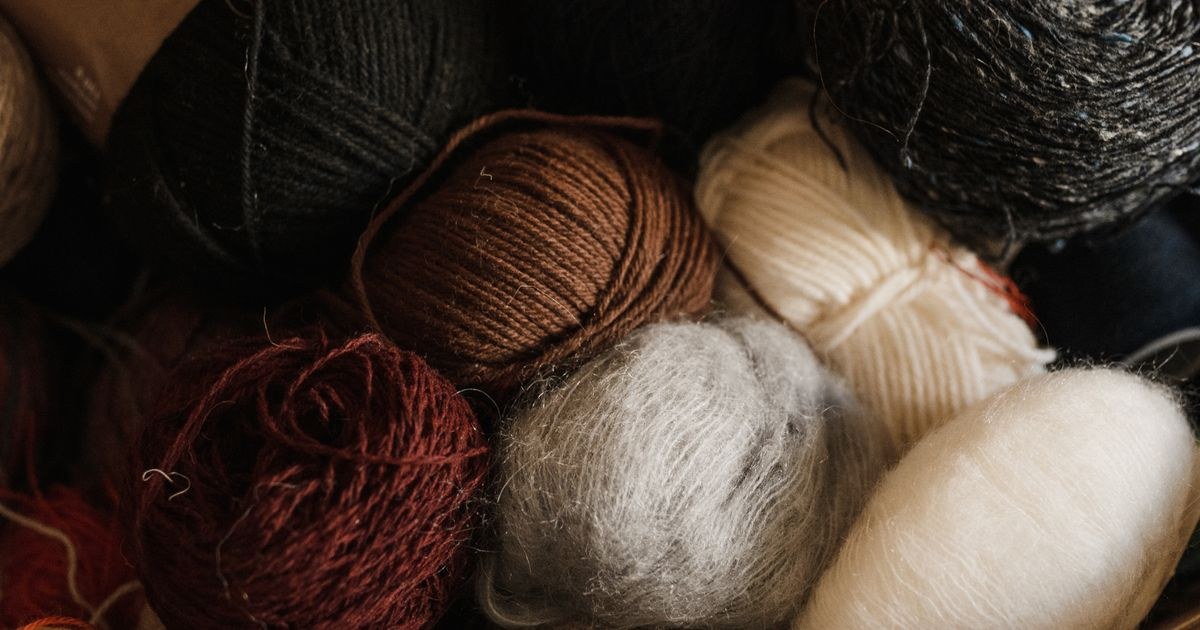
A few years ago a student brought a bag of inherited wool yarn to class, thrilled to have it, only to discover moth holes in nearly a third of the skeins once she unpacked them at home. The yarn had been stored in its original paper wrappers, in a cardboard box, in an attic, for years, which is close to the ideal environment for a moth infestation to take hold undisturbed. What made it sadder was how preventable it had been. A sealed plastic bin, in that same attic, would very likely have kept every skein intact.
Yarn storage doesn't get much attention until something goes wrong, because yarn is forgiving in every other respect — it doesn't need feeding, watering, or regular maintenance. But left in the wrong conditions, it's vulnerable to a short list of specific, well-understood threats: pests (mainly clothes moths, which target animal fibers like wool), sun fading, humidity and mildew, and simple dust and grime from years of open exposure. Every one of these has a straightforward prevention, and none of them require special equipment.
This guide covers how to store yarn for the long term, how to keep moths out of a stash that includes wool, and the smaller habits, like winding loose partial skeins and labeling fiber content, that make a stash easier to use later, not just safer to store. None of it requires special equipment or much extra time once it's a habit, and the payoff is a stash that's still exactly as usable in five or ten years as it was the day you bought it.
What actually damages stored yarn
Four things account for almost all yarn storage problems, and knowing which one you're protecting against shapes which storage method actually makes sense.
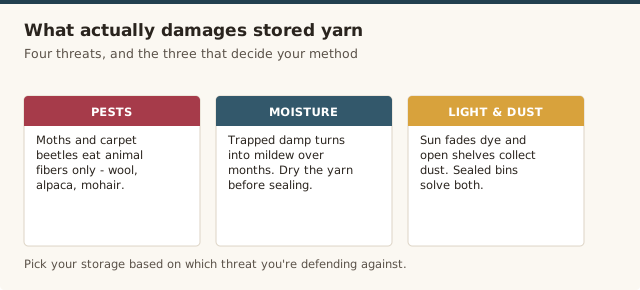
- Pests. Clothes moths and carpet beetles feed on animal fibers like wool, alpaca, and mohair. They don't eat acrylic or plain cotton, but an infestation in a nearby wool skein can still spread through a whole storage area.
- Sunlight. UV exposure fades color, sometimes unevenly if only part of a skein is exposed, and can weaken fibers over long periods.
- Humidity. Damp conditions encourage mildew and a musty smell that's difficult to fully remove once it sets in, especially in natural fibers.
- Dust and general grime. Purely cosmetic in small amounts, but open storage over years accumulates enough dust to require washing yarn before use, which is an avoidable extra step.
Everyday storage for an active stash
For yarn you're actively working through, accessibility matters as much as protection. Clear plastic bins with snap-on lids are the standard recommendation because they let you see contents at a glance while still sealing against dust and pests. Stackable bins on a shelf, organized by weight or by project, keep a working stash both protected and easy to navigate. A closed cabinet or drawer works nearly as well, provided the yarn itself is bagged individually to prevent it from picking up dust when the cabinet is opened and closed repeatedly.
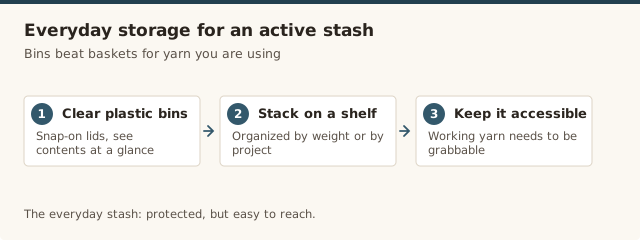
Keep active storage out of direct sunlight, even for yarn you plan to use within weeks, since a windowsill or sun-facing shelf can visibly fade even a short-term stash faster than expected.
Long-term storage for months or years
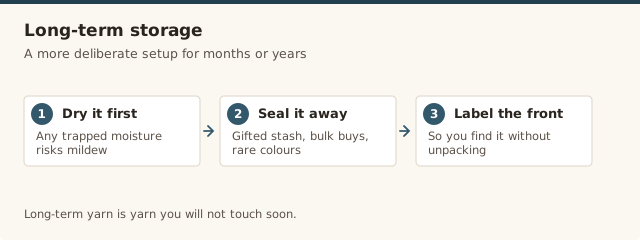
Yarn you're not planning to use soon, gifted stash, discontinued colors you're saving, or bulk purchases, benefits from a slightly more deliberate approach. Make sure yarn is completely dry before sealing it away, since any trapped moisture inside a closed container can lead to mildew over time, which is much harder to remedy than preventing it in the first place. Acid-free tissue paper wrapped around skeins before boxing adds a layer of protection against both light and abrasion without trapping moisture the way direct plastic contact can. Store the sealed containers in a room with stable temperature and humidity rather than a garage, attic, or basement where conditions swing widely across seasons, since those swings, more than any single extreme, are what stress fibers and encourage mildew over years of storage.
Keeping moths out for good
If your stash includes any wool, alpaca, mohair, or other animal fiber, moth prevention deserves specific attention, since these are genuinely destructive once established and can spread from one skein to an entire collection.
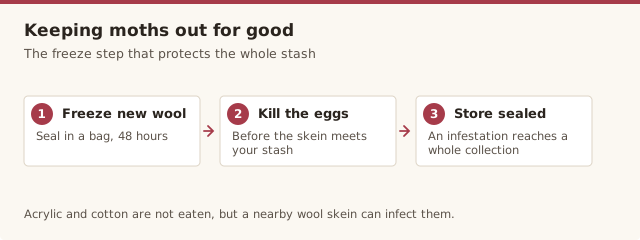
- Freeze new wool yarn before adding it to your stash. Seal it in a plastic bag and freeze for 48 hours, which kills any moth eggs already present before they have a chance to hatch and spread to yarn you already own.
- Store in fully sealed containers, not open bins or fabric bags. Moths need access to lay eggs directly on the fiber; a sealed lid is a real barrier, while a loosely covered basket is not.
- Use cedar or lavender as a deterrent, not a cure. Cedar blocks and lavender sachets placed inside storage containers discourage moths from settling but won't eliminate an active infestation on their own.
- Check wool stash periodically, even when sealed. A quick look every few months catches an early infestation while it's still limited to one or two skeins, rather than discovering it across an entire bin.
Storing partial and leftover skeins
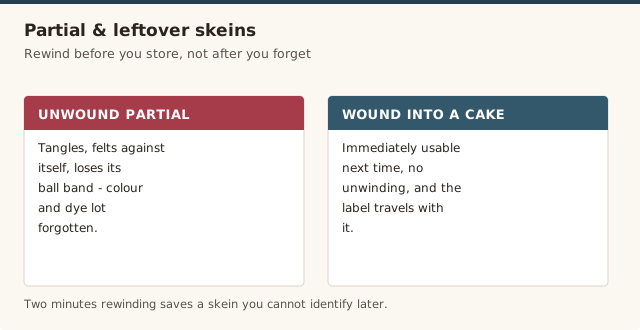
Loose partial skeins left unwound are more prone to tangling, felting against themselves in storage, and getting separated from any ball band information that identified the fiber and dye lot. Wind a loose partial back into a neat ball or cake before storing it, which also makes it immediately usable next time rather than needing to be untangled first. If you're keeping leftovers for future small projects like coasters or bookmarks, sorting them by weight into small labeled bags makes scrap-yarn projects much faster to start, since you're not hunting through a mixed pile to find enough of the right weight.
Labeling so future you isn't guessing
Ball bands get lost, and memory of exactly which fiber blend a particular skein was fades fast once it's separated from its wrapper. When you do have the ball band, either keep it attached with a small clip or elastic, or transcribe the key details, fiber content, weight, and dye lot, onto a small tag before storing. This matters most for anything you might need to match later, like buying more of the same dye lot for a larger project, or checking whether a stash skein is machine washable before starting something for a baby gift where that detail matters.
Vacuum-sealed bags for space-saving storage
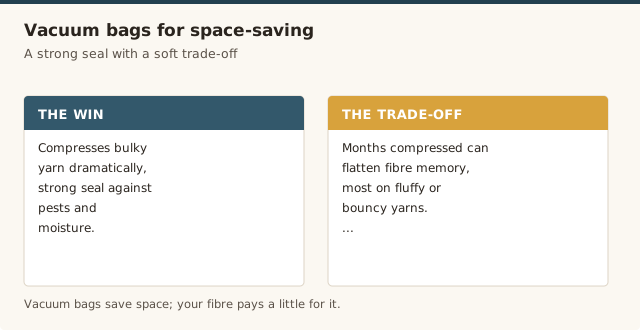
For a large stash in limited space, vacuum-sealed bags compress bulky yarn dramatically and offer strong protection against pests and moisture in the process, since the tight seal keeps both out effectively. The tradeoff is fiber memory: yarn compressed for months can come out with a slight flattened texture, most noticeable on fluffy or high-loft yarns like chenille or brushed acrylics, though it typically relaxes back within a day or two of being unpacked and allowed to breathe. Vacuum sealing works best for yarn you're storing for the medium term rather than yarn you'll want to grab and use immediately, and it's worth avoiding for any skein with delicate texture you don't want compressed at all, like a boucle or eyelash yarn.
Common mistakes & fixes
Fix: open storage offers no protection against moths, dust, or sun fading. Use clear sealed bins instead, which protect just as effectively while still letting you see contents at a glance.
Fix: make sure yarn is completely dry before sealing it into any airtight container, since trapped moisture is a direct path to mildew.
Fix: freeze new wool or animal-fiber yarn for 48 hours before storing it alongside yarn you already own, to kill off any moth eggs before they can spread.
Fix: choose a storage location with relatively stable conditions where possible. Wide seasonal swings in temperature and humidity stress fibers and encourage mildew more than any single extreme does.
Fix: wind leftovers back into a neat ball and label them with fiber and weight before storing, so they're immediately usable and identifiable for a future scrap project.
Frequently asked questions
What is the best way to store yarn long-term?
Clear plastic bins with sealed lids, kept out of direct sunlight and in a room with stable temperature and humidity, work well for most collections. Sealed storage also protects against moths and other pests, which is the single biggest long-term risk to a yarn stash, especially any wool content.
How do I keep moths out of my yarn stash?
Store yarn in sealed containers rather than open bins or baskets, since moths need access to lay eggs. Cedar blocks or lavender sachets placed in storage help deter them, and freezing new wool yarn for 48 hours before adding it to your stash kills any eggs already present before they can spread.
Should yarn be stored in plastic or fabric bags?
Sealed plastic bins or bags protect better against pests and moisture than open fabric storage, but yarn should be completely dry before sealing it in plastic, since trapped moisture can lead to mildew. For long-term storage of natural fibers, acid-free tissue paper inside a sealed container is a safer middle ground than plastic touching the yarn directly.
Does yarn go bad if stored for years?
Yarn itself doesn't expire, but it can be damaged by light exposure (color fading), pests (holes and weakened fiber), and humidity (mildew or a musty smell). Properly stored yarn, kept dry, sealed, and out of direct light, can last for decades without noticeable degradation.
Can I store different yarn fibers together?
Yes, but if any of your stash includes wool or other animal fibers, treat the whole storage area with moth precautions, since moths that infest a wool skein can spread to acrylic or cotton yarn stored nearby, even though those fibers aren't a food source themselves.
How should I store partial or leftover skeins?
Wind loose partial skeins back into a neat ball or cake before storing, and label them with fiber content and any remaining ball band information, since a label is much easier to read now than to guess later when the skein's paper wrapper is long gone.
CrochetGuides is a participant in the Amazon Services LLC Associates Program. As an Amazon Associate we earn from qualifying purchases, at no extra cost to you.