Best Luxury Wool-Blend Yarns for Crochet Sweaters
Learn how to choose high-quality wool blends that keep their shape, drape beautifully, and feel soft against your skin all winter long.
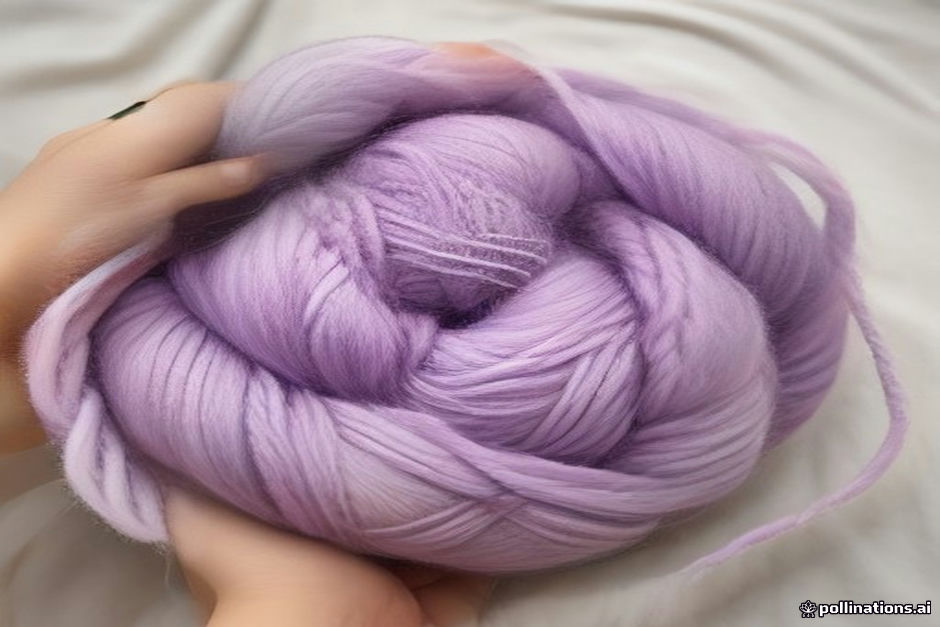
Choosing yarn for a winter sweater can feel overwhelming when you are staring at rows of luxury hanks in a local craft shop. Many stitchers fall in love with a gorgeous skein, only to realize halfway through a garment that the finished sweater sags, pills heavily, or feels far too scratchy against their neck. A true luxury wool blend balances warmth, softness, and structural integrity so your hard work lasts for decades.
Pure wool offers incredible warmth, but mixing it with natural fibers like silk, alpaca, or cashmere creates a soft drape that works wonderfully with crochet stitches. Crochet fabric tends to be denser and heavier than knitted fabric, making fiber choice even more critical. This guide walks you through the top wool blends for winter garments, how to judge stitch definition, and simple styling ideas to showcase your handmade sweater.
Why Wool Blends Excel in Crochet Sweaters
Pure wool is resilient and bouncy, but full wool items can occasionally feel heavy or slightly stiff when worked up in dense single or double crochet stitches. When wool is blended with fibers like silk, fine alpaca, or smooth nylon, the yarn gains a supple drape and a noticeable softness. Silk adds a gentle luster and strength, while alpaca introduces a cozy halo without adding excessive weight to the body of your garment.
Blends also improve garment care and long-term durability. A touch of synthetic fiber or high-grade silk stabilizes wool fibers, helping your sweater resist pilling around high-friction areas like elbows and underarms. When selecting a skein, check the label for a fiber breakdown of at least seventy percent wool paired with high-quality companion fibers for the best balance of structure and softness.
Selecting the Right Yarn Weight and Twist
For cozy winter sweaters, DK and worsted weight yarns remain the sweet spot. Heavier bulky yarns can make a crocheted sweater feel stiff or overly rigid, while lace weights demand an immense amount of time and patience. Pay close attention to the ply or twist of the yarn. A plied yarn with multiple visible strands twisted together gives clean stitch definition, which makes textured cables, alpine stitches, and ribbed cuffs pop beautifully.
Single-ply luxury yarns look tempting in the hanks because they feel velvety soft, but they tend to pill quickly under the armpits and lack the tensile strength needed for a heavy crocheted pullover. Stick with multi-ply plied wool blends when working up garments designed for everyday winter wear, as the extra twist holds the fibers securely in place.
Managing Crochet Drape and Swatching
Because crochet constructs fabric by looping stitches over themselves, the resulting garment inherently has less natural stretch than a knitted sweater. To prevent your luxury wool-blend sweater from feeling stiff like armor, consider sizing up your hook by half a millimeter from the yarn label recommendation. This subtle adjustment allows air into the stitches, encouraging the wool-blend fibers to bloom and drape gracefully over your shoulders.
Always make a generous swatching square before starting your garment. Block your swatch using the exact wash method you plan to use for the finished sweater. Wool blends often relax significantly after soaking, expanding in both length and width. Measuring your gauge both before and after wet blocking prevents heartbreaking fit surprises later on when you try on your finished cardigan or pullover.
Styling and Layering Handmade Sweaters
Luxury wool-blend sweaters carry a refined texture that looks effortless when styled with simple everyday wardrobe pieces. A relaxed-fit wool pullover pairs beautifully with classic denim, tailored trousers, or worn layered over a collared button-down shirt for crisp structure. Choose soft, muted colorways like heathered oats, sage, or deep charcoal to highlight rich stitch patterns while keeping your garment versatile.
For lightweight wool-and-silk blends, consider crocheting a draped cardigan or open-front sweater that layers comfortably under winter coats. The soft sheen of silk-wool blends elevates casual outfits, making your handmade garment feel like a boutique designer piece that you can comfortably wear from morning coffee straight through to evening outings with family.
Frequently asked questions
Will a wool-blend sweater stretch out after wearing?
Wool has natural bounce, but crochet sweaters can stretch if worked too loosely. Block your gauge swatch to see how much the fiber relaxes when wet.
Can I wash a luxury wool-blend sweater in the washing machine?
Unless the label specifically states superwash, hand wash your garment in lukewarm water with a gentle wool wash and lay it flat to dry.
Why does my wool crochet sweater feel scratchy?
Coarser wool fibers can prickle sensitive skin. Look for superfine merino blends paired with silk, cashmere, or alpaca for maximum skin comfort.
How do I prevent my luxury sweater from pilling?
Choose multi-ply yarns over single-ply options, avoid high-friction bags over the shoulder, and use a fabric comb gently when pills appear.
What hook size is best for DK wool-blend yarn sweaters?
A 4.0 mm to 5.0 mm hook usually works best for DK wool blends, offering flexibility while maintaining neat stitch density.