Best Mercerized Cotton Yarn for Crochet
Choosing the right mercerized cotton gives your crochet projects a smooth finish, brilliant stitch definition, and long-lasting durability.
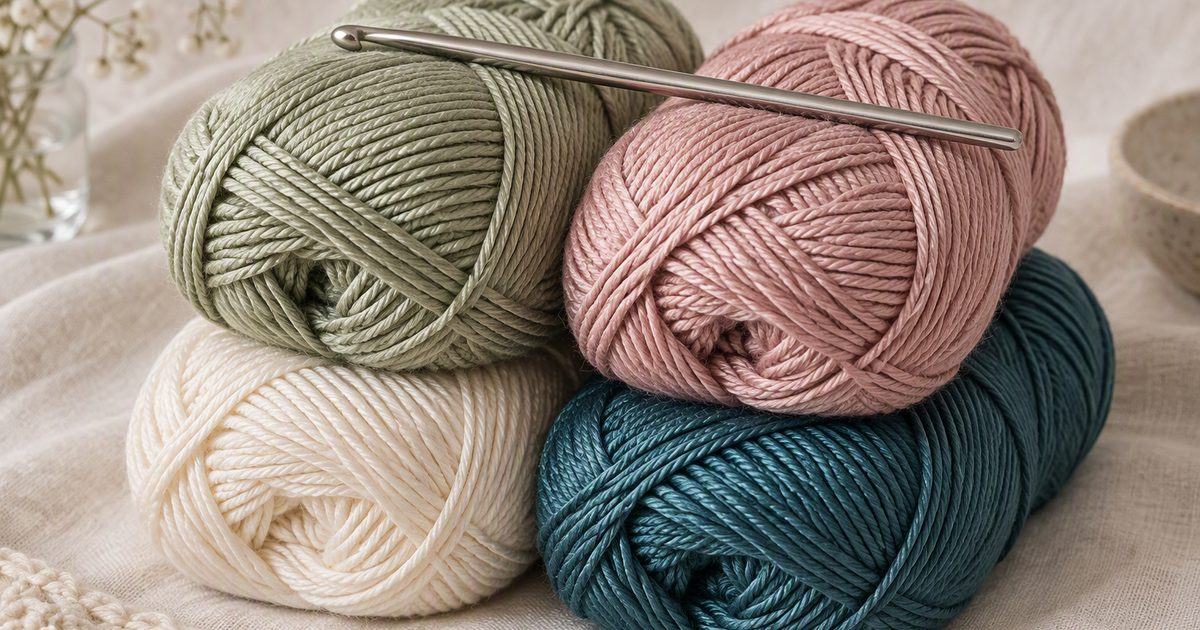
AI-generated illustration, not a photograph of the finished item. About our images
Mercerization is simply a chemical treatment that swells the cotton fibers, making them rounder, stronger, and much more receptive to dye. For crocheters, this means less splitting while you work, vibrant colors that resist fading in the sun, and a lovely subtle sheen that makes every single stitch pop. Let us look at what makes this specific fiber worth adding to your stash for warm-weather makes.
What Makes Cotton Mercerized?
During the mercerization process, raw cotton yarn is treated with a sodium hydroxide solution under tension. This permanent alteration swells the cell walls of the plant fibers, untwisting them and straightening the yarn structure. The result is a dramatic increase in tensile strength, meaning your finished items can handle heavy loads without stretching out of shape permanently.
Beyond strength, the treatment increases the fiber's absorbency and affinity for dye, which leads to richer, deeper colors that stay bright after multiple trips through the washing machine. You will also notice a smooth, polished touch and a gentle pearl-like luster that elevates simple stitches into something truly special.
- Permanently stronger and more resilient fibers
- Enhanced dye absorption for vibrant, fade-resistant colors
- Distinct low-sheen finish that resembles silk or pearl
Ideal Projects for Smooth Cotton
Because mercerized cotton has very little stretch and a crisp hand, it shines brightest in projects where stitch definition and structural integrity matter most. Traditional cotton can sag over time under the weight of groceries, but mercerized fibers keep a mesh market bag firm and supportive. It is the absolute gold standard for reusable shopping bags and produce sacks.
For wearables, this yarn is unbeatable for summer tops, cardigans, and lace shawls. The fabric has wonderful drape combined with enough stiffness to hold openwork lace patterns cleanly without sagging. Just keep in mind that because it lacks elasticity, it can be slightly harder on your hands during long crochet sessions, so take frequent breaks.
- Sturdy market bags and mesh beach totes
- Breathable summer tops and lightweight cardigans
- Home decor items like placemats and coasters
Selecting the Right Weight and Ply
When shopping for mercerized cotton, you will mostly encounter thread weights (size 3 and 10), sport weight, and DK weight. For garments and bags, sport and DK weights offer the best balance of speed and structure. Look closely at the twist of the yarn before you buy; a well-plied yarn with three or more strands twisted tightly together will resist splitting significantly better than single-ply alternatives.
Avoid overly fuzzy yarns disguised as cotton blends if you want that crisp, stitch-defined look. A true mercerized cotton should feel smooth and cool to the touch. If you are making a garment, always check the drape by crocheting a small swatch and washing it, as mercerized cotton can soften up nicely after its first bath.
- Sport and DK weights work best for wearables and bags
- Look for tightly plied strands to prevent splitting
- Always swatch and wash to test the final drape
Caring for Mercerized Cotton Makes
One of the best perks of using mercerized cotton is how easy it is to care for once your project is complete. Unlike wool or delicate alpaca blends, most mercerized cottons are completely machine washable and dryable. The treatment stabilizes the fibers, which greatly reduces the amount of shrinkage you might normally expect from raw cotton.
To keep your handmade market bags and summer tops looking brand new, wash them on a gentle cycle with mild detergent and lay them flat to dry when possible. If you need to use a machine dryer, choose a low heat setting. Over time, frequent washing actually tends to soften the fabric up, making your garments even more comfortable to wear against the skin.
- Machine washable and generally safe for low-heat drying
- Minimal shrinkage thanks to the stabilizing treatment
- Becomes softer and more pliable with every wash
From the archive: The thread-crochet books in our PDF library were written for exactly this kind of smooth cotton thread.
Frequently asked questions
Does mercerized cotton stretch out like regular cotton?
No, the chemical treatment gives the fibers more stability and reduces elasticity, which actually helps projects like market bags hold their shape much better over time.
Is mercerized cotton hard to crochet with?
It can feel slightly stiffer and less forgiving on your hands than wool or acrylic because it lacks stretch, but a tightly plied version will not split easily.
Can I put mercerized cotton crochet items in the washing machine?
Yes, most mercerized cottons are machine washable. Always check the yarn label for specific manufacturer recommendations regarding water temperature and drying.
Why does mercerized cotton have a shine?
The chemical mercerization process swells and flattens the cross-section of the cotton fibers, allowing them to reflect light more evenly and create a subtle, silky luster.
What hook size should I use with mercerized cotton?
Check the yarn label for the recommended hook size, but generally, you may want to go up or down a half size depending on whether you want a stiff or drapey fabric.