Free Crochet Baby Shoes Pattern for Beginners
A soft, structured baby shoe with a rounded sole, straight sides, and an optional ankle strap, worked in the round in US terms.
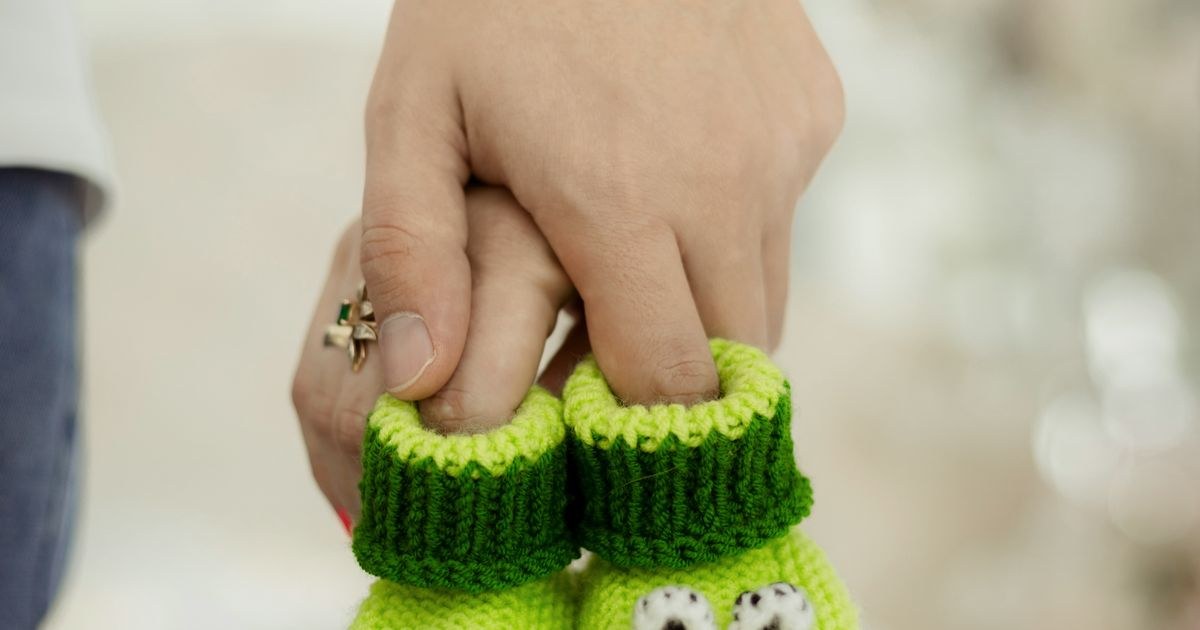
The first pair of proper shoes I ever crocheted were for my goddaughter, and I was so proud of them I insisted on a photo the moment I snipped the last thread. It was not until her mum tried to actually put them on a wriggling six-month-old that we discovered my beautiful shoes had no strap and a sole shaped like a banana. They stayed on for roughly three seconds before flying across the living room. I've taught this baby shoes pattern dozens of times since, and I now open every class with the same two rules: measure a real foot first, and build in a strap. A shoe is just a bootie with a job to do, and the job is staying on.
Materials
- 1 skein soft, machine-washable DK or worsted-weight yarn labelled safe for babies (about 80–100 yards for a pair)
- 4.0mm (US size G) crochet hook
- Stitch marker, to track the start of each round
- Scissors
- Yarn needle, for weaving in ends
Abbreviations (US terms)
| Abbr. | Means |
|---|---|
| ch | Chain |
| sc | Single crochet |
| sl st | Slip stitch |
| st(s) | Stitch(es) |
| inc | 2 sc in same stitch (increase) |
| BLO | Back loop only |
| rnd(s) | Round(s) |
See our abbreviations glossary for the full list including UK terms.
Gauge
14 sc and 16 rows measures about 4in / 10cm square with a 4.0mm hook and worsted yarn. The finished sole should run about 3.75in / 9.5cm long before you start the sides — if yours comes out bigger or smaller, adjust hook size before making a pair.
Notes
- Written in US terms, worked in a continuous spiral — use a stitch marker to track round starts. New to single crochet or working in the back loop? Our basic crochet stitches guide covers both.
- The sole is worked in the round around a foundation chain, the same oval method as our baby booties pattern.
- Makes one shoe; repeat the entire pattern once more for a matching pair.
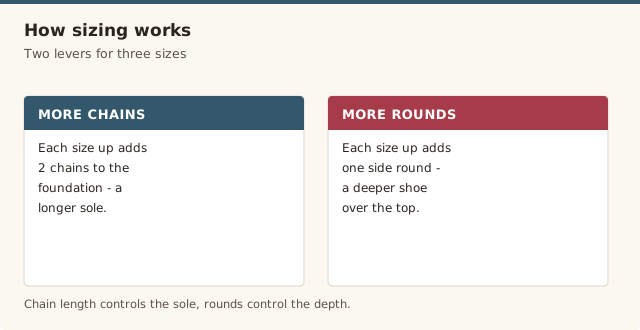
- For a larger size, add 2 chains to the foundation chain and one extra plain side round — see sizing below.
Pattern (make 2)
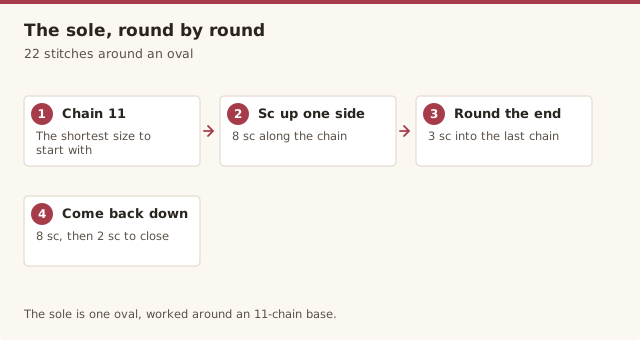
Ch 11. Sc in the 2nd ch from the hook, sc 8, work 3 sc in the last ch, then sc 8 down the other side of the chain, work 2 sc in the last ch. Place marker. (22 sts)
Inc, sc 8, inc 3 times, sc 8, inc 2 times. (28 sts)
Sc in every st around, no increases. (28 sts)
Working through the back loop only, sc in every st around. This creates the crisp edge between the sole and the upper. (28 sts)
Sc in every st around for 5 rounds. (28 sts each round)
Sl st in every st around to neaten the opening, fasten off, and weave in the end.
Yarn & colour choices
I reach for the same two yarns for baby shoes almost every time: a soft, machine-washable acrylic or a cotton blend, both in DK or worsted weight. The reason is practical and a little unglamorous — babies are small but spectacularly messy, and anything you can't throw in the washing machine will end up as a shelf ornament instead of a worn pair. I learned this the hard way with a gorgeous hand-dyed merino pair I made for my niece; one diaper incident later they had felted into something shaped like a walnut. Since then I only use yarn that says machine-washable on the label, and I run a test swatch through the machine before committing to a whole pair. If you're unsure how a yarn behaves, our yarn weight guide walks through what works best for small, structured projects.
Colour is where you get to have fun. Pale yellows, sage greens, and soft greys hide stains far better than white, which is my one consistent piece of colour advice for baby makes. I also love a self-striping yarn here because the shoes look more complicated than they are — the stripe does all the showing off while I work plain single crochet. If you're making shoes to match an outfit, buy one extra ball and check the dye lot; I've had two balls of the same shade arrive noticeably different, and a mismatched shoe is a gift that gets quietly set aside.
Sizing by age
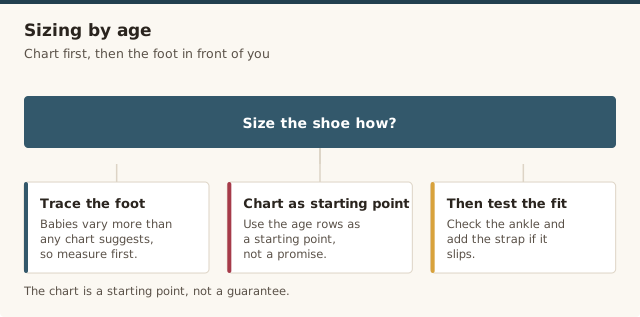
The chain length controls how long the sole is, and the side rounds control how deep the shoe sits over the foot. For each size up, add 2 chains to the foundation chain and one extra plain round in the sides. The numbers below are a starting point, not a promise — babies of the same age vary more in foot size than any chart suggests, so if you can trace the baby's foot on paper and measure it, do that first.
| Age | Foundation chain | Sole length | Side rounds |
|---|---|---|---|
| 0–6 months | Ch 11 (22 sts) | about 3.75in / 9.5cm | 5 rounds |
| 6–12 months | Ch 13 (26 sts) | about 4.25in / 11cm | 6 rounds |
| 12–18 months | Ch 15 (30 sts) | about 4.75in / 12cm | 7 rounds |
My rule of thumb: add about a quarter inch (6mm) to the traced foot length and make your finished sole match that. The extra room is for socks and for the edge you fold up around the sole. I keep a little card in my project bag with traced feet and dates, which has saved me more than once when someone asks for "another pair like last time, but bigger."
Care & washing
The best care instruction I can give you is the one printed on the yarn label, so check that first and treat it as gospel. In general, machine-washable acrylic and cotton blends go on a gentle cycle in cool water inside a mesh bag, then dry flat away from direct heat. I wash every pair before I gift it, partly because it's good practice and partly because I once handed over a pair that still smelled faintly of my cat.
Dry flat, never in the dryer, unless the label says otherwise — heat is what shrinks and felts handmade shoes, and there's no coming back from a felted sole. If a shoe comes out slightly stretched after washing, shape it back with your fingers while it's still damp and let it dry on a flat towel. A little stretch is normal and usually disappears once the shoe is back on a moving foot.
Gifting baby shoes
A pair of crocheted baby shoes is one of those gifts that looks like far more effort than it actually is, which is why I keep this pattern pinned to my project bag all year. For a shower gift, I pair the shoes with a matching newborn hat or a small baby blanket so the set feels generous, and I always tuck in a care card with washing instructions, because new parents will not remember a single thing you say at the party.
For wrapping, I fold each shoe over a rolled-up washcloth to hold its shape and tuck them in a plain muslin bag — nothing fancy, just enough to stop them being crushed. If you're gifting to a baby you'll see often, make a second pair a size up and tell the parents to store it for later; it's the gift that keeps surprising people six months down the line, and it's exactly the kind of thing I love finding in a drawer.
Common mistakes & fixes
Fix: add the ankle strap, or drop to a smaller hook for the last two side rounds to snug the opening. A shoe without a strap will always slide off a kicking baby, so build the strap in from the start.
Fix: count after Rounds 1 and 2 (22 then 28 sts). A miscounted increase at one end is almost always the cause, and it's easier to rip back two rounds than to keep going on a wonky sole.
Fix: make both shoes in one sitting, one straight after the other, while your tension is consistent, and check the sole of shoe two against shoe one before starting the sides.
Fix: mark the first stitch of each round and don't skip the back-loop-only round — that round is what creates the crisp fold between sole and upper.
Fix: work Round 4 and the first side round a little more loosely, or add a stitch or two evenly spaced. If it's the strap that's tight, chain a couple extra and trim to fit.
Fix: you're likely skipping increases or working twice into the same stitch. Lay the sole flat after Round 3 — if it doesn't sit flat, rip back and re-count before you move to the sides.
Our pick
Cotton worsted-weight yarn, 3-pack
Soft, machine-washable, and available in light colours suited to baby items — enough yarn in one order for several pairs of shoes and a matching hat.
View on Amazon →A step-by-step look at a pair of baby shoes, useful for seeing how the oval sole and straight sides come together.
Frequently asked questions
What yarn is safe to use for crochet baby shoes?
Soft, machine-washable acrylic or cotton yarn labelled safe for babies is the standard choice. Avoid novelty, mohair-type, or loosely spun yarns with fibres that can shed, which are a choking and skin-irritation risk for infants.
How do I size crochet baby shoes by age?
The foundation chain sets the length. Ch 11 fits 0-6 months, Ch 13 fits 6-12 months, and Ch 15 fits 12-18 months, adding one extra plain side round at each step up. For the best fit, trace the foot and add about 6mm of room.
Should baby shoes have buttons, beads, or other small decorations?
No. Skip all small detachable parts for babies under 12 months, since anything that can come off will go in the mouth. Use embroidered details or sewn-on embellishments with securely woven ends instead.
Why do my crochet baby shoes keep slipping off?
The opening or strap is too loose relative to the ankle. Work the last two side rounds with a smaller hook, or add the ankle strap and check that it fits snugly without pinching.
How do I wash handmade baby shoes?
Follow the yarn label; most machine-washable blends go on a gentle cool cycle inside a mesh bag, then dry flat. Never tumble dry unless the label allows it, as heat shrinks and felts the fabric.
What hook size is best for baby shoes?
A 4.0mm (US size G) hook with worsted or DK yarn gives a soft but structured fabric. If your sole comes out longer than about 3.75in / 9.5cm, drop to a 3.5mm hook; if it comes out shorter, go up to 4.5mm.
How long should the sole be for a baby shoe?
Measure the baby's foot and add about a quarter inch (6mm) for socks and the folded edge. Approximate finished soles are 3.75in for 0-6 months, 4.25in for 6-12 months, and 4.75in for 12-18 months.
CrochetGuides is a participant in the Amazon Services LLC Associates Program. As an Amazon Associate we earn from qualifying purchases, at no extra cost to you.