9 Adorable Amigurumi Animal Patterns to Make This Weekend
From a floppy-eared elephant to an eight-legged octopus — nine amigurumi animals, each with its own small trick worth learning.
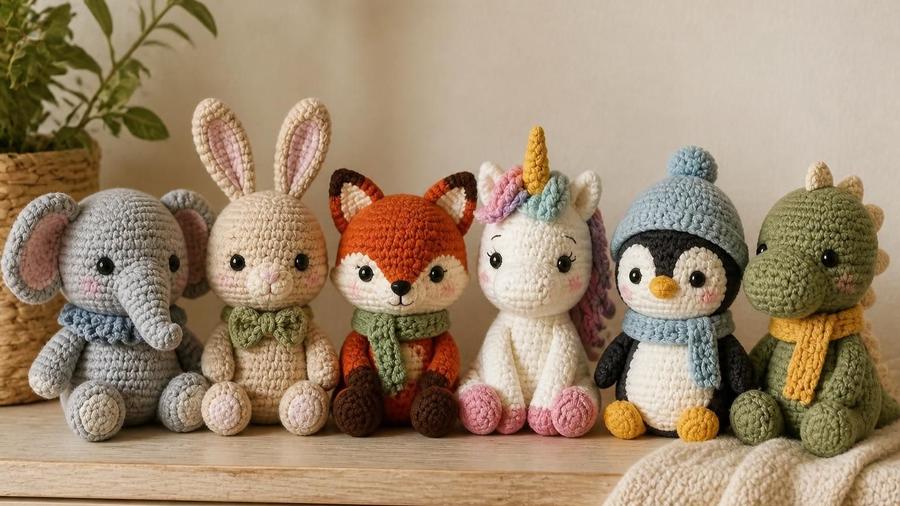
I keep a shelf of finished amigurumi animals next to my desk, and it's grown almost entirely by accident: I'll be testing one small technique for a pattern, and before I know it there's a whole animal sitting there looking back at me. This roundup is basically that shelf, organized into something more useful than "things I made while procrastinating." Each of these nine animals was chosen because it teaches or showcases one specific trick, from a floppy unstuffed ear to a set of tentacles worked directly off the body with no separate pieces at all.
What ties them together isn't difficulty exactly, since a few of these are genuinely simple and one is a real step up, but the fact that every single one does something a little different with the same basic amigurumi shaping most of these designs share. Once you understand the standard magic-ring head-and-body technique, the interesting part of amigurumi is everything layered on top of it, and this list is meant to show you nine different directions that can go.
I also chose these nine deliberately over including every animal pattern currently on the site, because a roundup that just links to everything isn't actually helpful for deciding what to make next. Each entry below earns its place by teaching something the others don't: a construction trick, a finishing technique, or a level of difficulty that fills a genuine gap between "first ever amigurumi" and "confident intermediate." If you work through all nine in order, you'll come out the other side able to tackle just about any amigurumi animal pattern you find elsewhere.
Below, each pattern links straight to its full free instructions, with a short note on what makes it worth making. If amigurumi shaping itself is new to you, start with our amigurumi for beginners guide before diving into any of these nine.
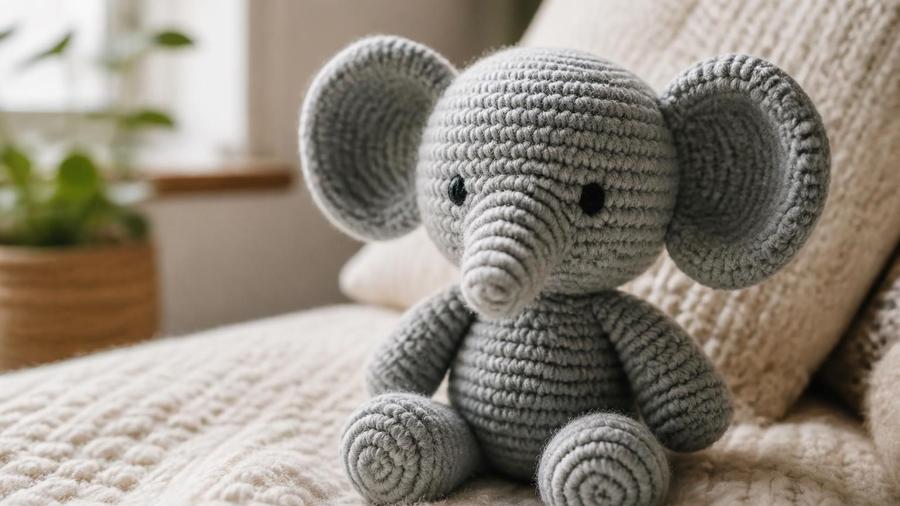
Amigurumi Elephant
The ears are the whole trick here: worked flat and left unstuffed, then pinched into shape when sewn on, which is what gives them that soft, floppy droop instead of a stiff disc. A good early amigurumi project once you're past a single ball shape, and the trunk's light stuffing technique is worth remembering for any future animal that needs a floppy, non-rigid extra piece.
See the full pattern →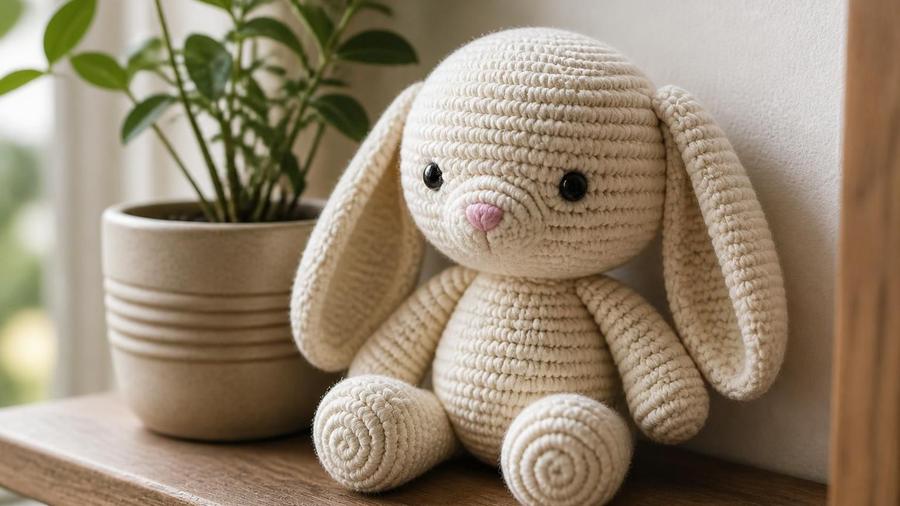
Amigurumi Bunny
Long, flat, unstuffed ears that drape rather than stand up straight, finished with a tiny embroidered pink nose instead of any extra crocheted piece. A genuinely relaxing project since the face is entirely simple embroidery, not construction, making it a nice palate-cleanser between more structurally involved animals on this list.
See the full pattern →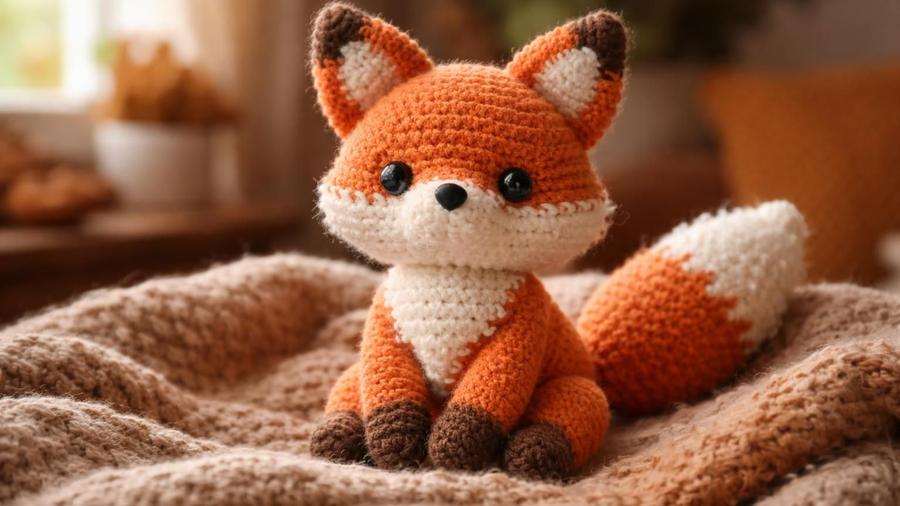
Amigurumi Fox
A two-color design that uses sewn-on patches for the white muzzle and belly rather than fussy in-the-round color changes, plus a genuinely fluffy tail from firm stuffing and a clean color-change tip. A good pattern for learning basic color-blocking without true colorwork, and the dark-paw color change on each leg is a nice, low-risk place to practice a clean round-boundary color switch.
See the full pattern →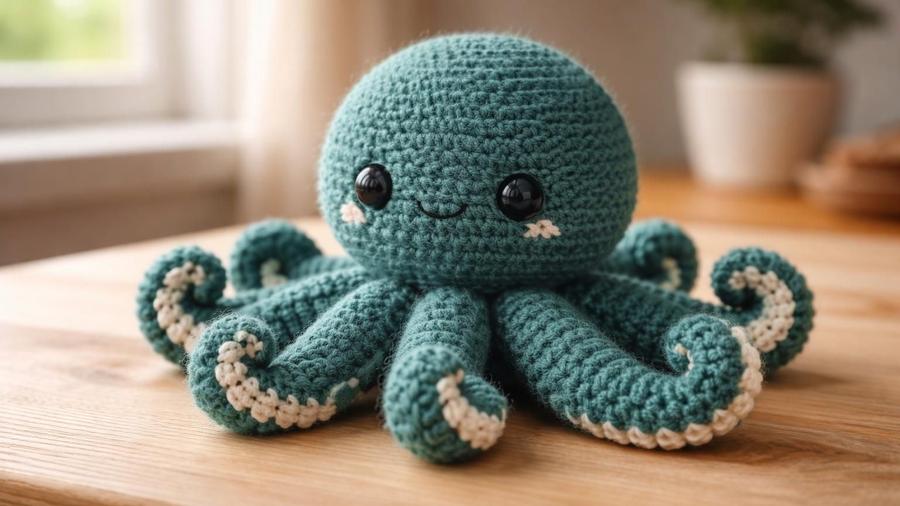
Amigurumi Octopus
The most advanced pattern on this list: all eight tentacles are worked directly from the body in one continuous piece, curling naturally at the tips through a slip-stitch technique rather than any wire or stiffening. Worth trying once you've finished at least one simpler animal first.
See the full pattern →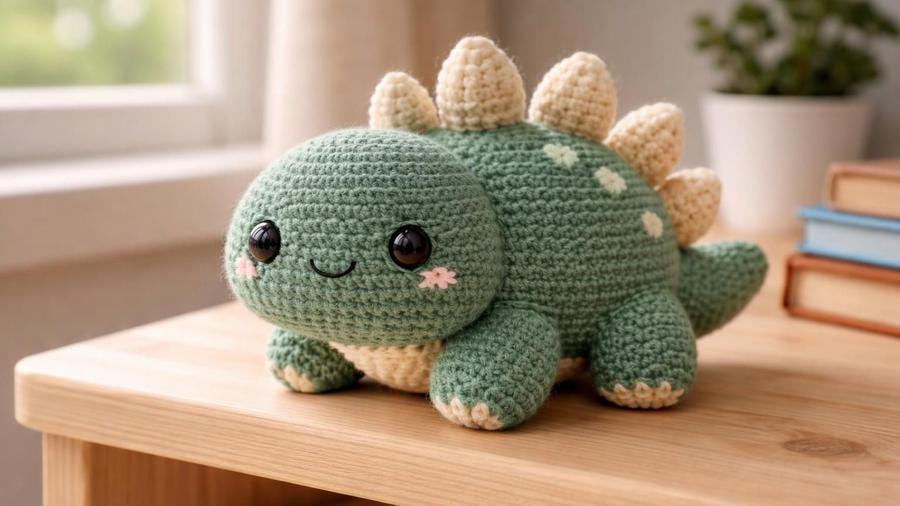
Amigurumi Dinosaur
Small unstuffed spikes anchored only at their base run down the spine, standing upright on their own without any stiff or scratchy yarn. A friendly stegosaurus shape that reads as unmistakably a dinosaur the moment the spikes go on, and the elongated body shape here is a useful variation to know if you ever want a longer, less round amigurumi silhouette.
See the full pattern →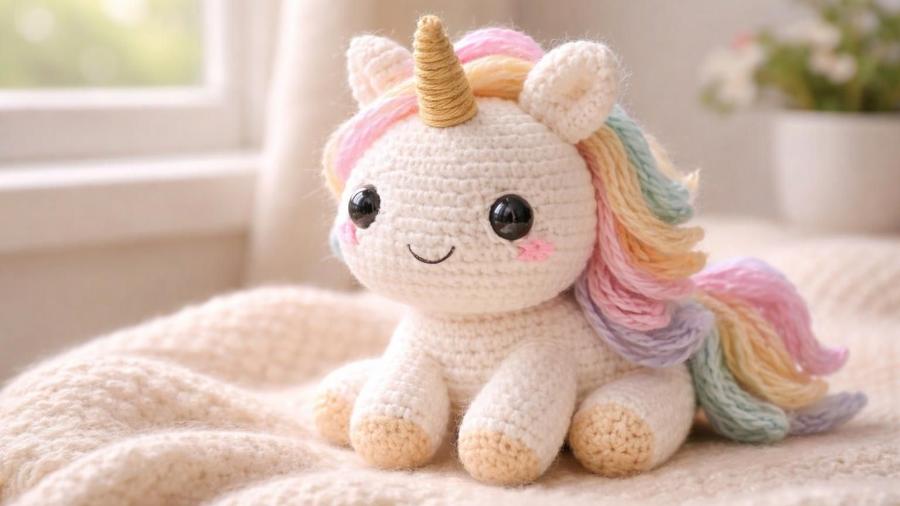
Amigurumi Unicorn
The pastel rainbow mane and tail aren't crocheted at all — they're cut-yarn fringe, the same technique used to finish a scarf edge, just worked along the head and neck instead. A pattern that looks far more advanced than it actually is.
See the full pattern →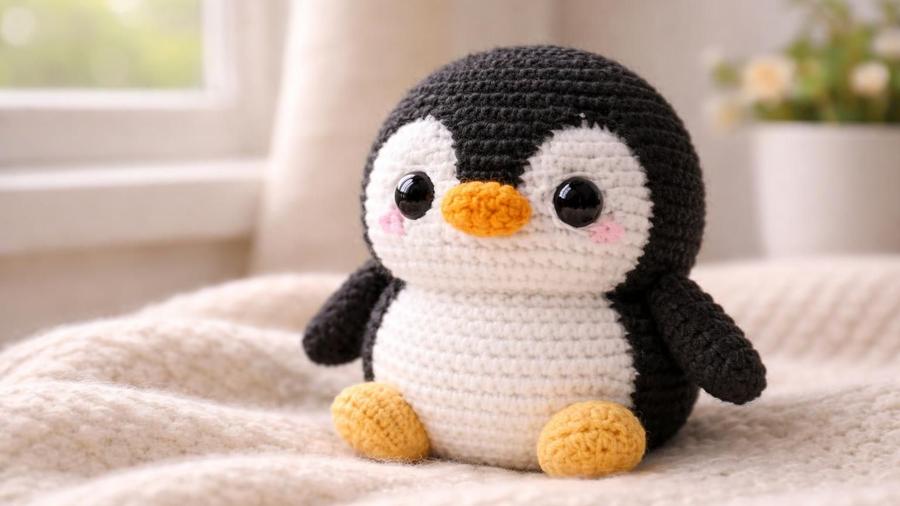
Amigurumi Penguin
Flat, forward-angled feet are the real secret to this one actually standing up on its own, the same way a real penguin balances. The folded triangle beak adds a small bit of real dimension that a flat sewn-on shape wouldn't have, and the same sewn-on belly patch technique used on the fox reappears here for the crisp white front.
See the full pattern →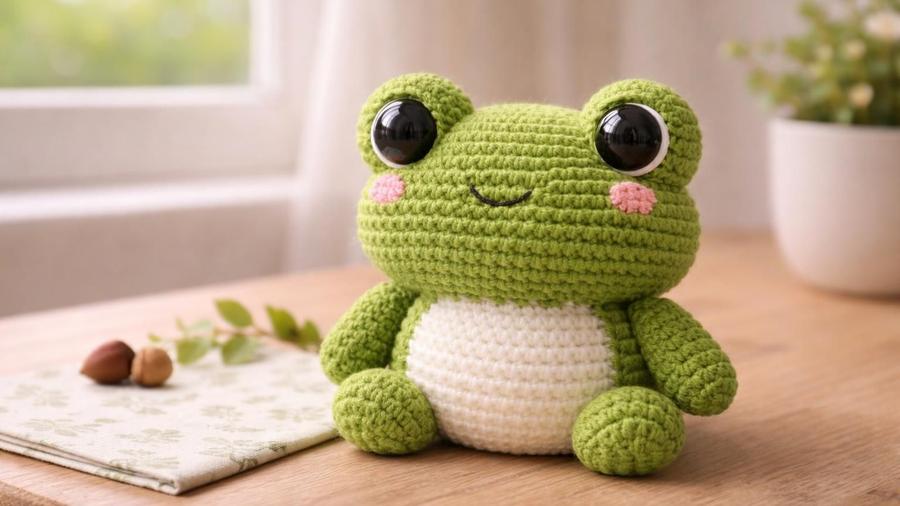
Amigurumi Frog
Those big bulging eyes come from two lightly stuffed bumps sewn to the head, with the safety eyes inserted through the bump and the head together. Bent legs, tacked in place after sewing, complete a proper crouched sitting pose, and both tricks are simple enough to borrow for other bug-eyed or seated animal designs later on.
See the full pattern →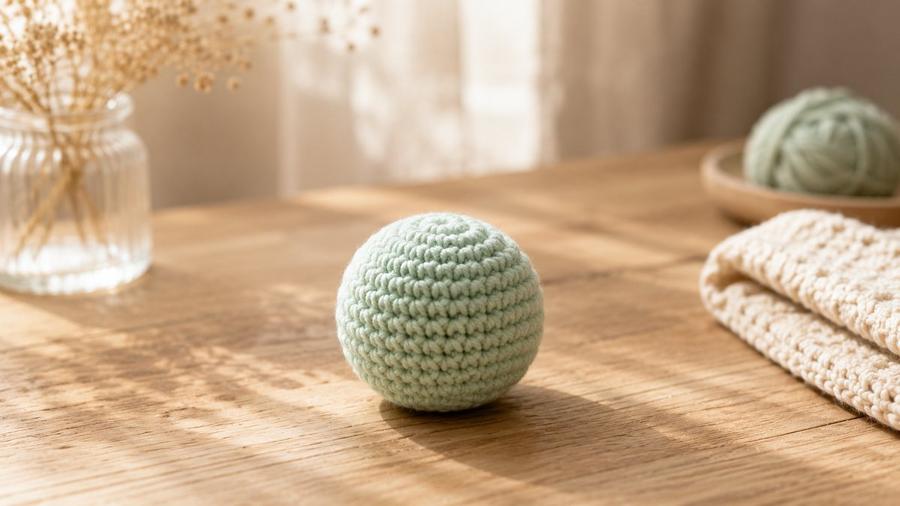
Amigurumi Ball
Not technically an animal, but the pattern that makes sense of every animal above it: just the increase-decrease head shape on its own, with no limbs or extra pieces to sew. If any of the other eight patterns feel intimidating, start here first, and don't miss our classic amigurumi bear pattern too once you're ready for four limbs and two ears.
See the full pattern →Where to start if you're new
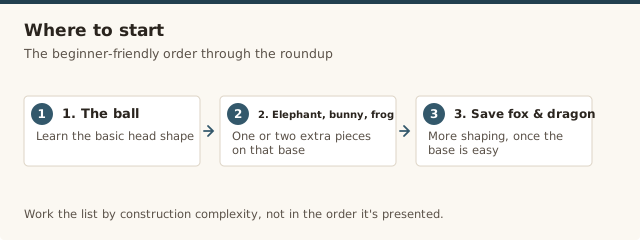
If you've never made an amigurumi animal before, work through this list roughly in order of construction complexity rather than the order it's presented here: the ball first to learn the basic head shape, then the elephant, bunny, or frog, all of which use one or two extra pieces on top of that same base. Save the fox and unicorn for once you're comfortable with sewing on separate patches or fringing, and treat the octopus as the final challenge once everything else on this list feels routine.
Every one of these animals reuses the same core magic-ring shaping, so the skill you build on the first one carries directly into the next. That's really the point of working through a list like this rather than picking one pattern at random: each project reinforces the last instead of starting completely from zero. By the time you reach the octopus, dividing a round of stitches into eight separate tentacles won't feel nearly as intimidating as it would have if it were your very first amigurumi project.
It also helps to think about which finishing technique each animal teaches, since that's often more useful long-term than the animal itself. The elephant and bunny both teach you how a flat, unstuffed piece behaves once it's attached, which you'll reuse on countless future designs. The fox and dinosaur teach two different approaches to adding color or texture without true in-the-round colorwork. The unicorn teaches fringing, a technique that shows up constantly in scarves, blankets, and rugs well beyond amigurumi. Treat this list as a small curriculum, not just nine unrelated toys.
A note on toy safety
Every pattern in this roundup includes its own toy-safety note, and it's worth reading before you start if the finished animal is going to a young child. The short version: for children under 3, or any child who still mouths toys, embroider the eyes with yarn instead of using plastic safety eyes, and make sure every small attached part, ears, horns, tentacles, spikes, is sewn on securely and checked periodically. Our guide to attaching safety eyes covers the correct technique in detail if you do plan to use plastic eyes for an older child or as a display piece.
This matters more for amigurumi than for almost any other kind of crochet, simply because these patterns are built entirely from small attached pieces: ears, tails, horns, tentacles, spikes, and eyes, all sewn on individually rather than worked as one continuous piece. Get in the habit of checking older amigurumi toys periodically too, since repeated handling and washing can loosen even a well-sewn attachment over months of play.
Frequently asked questions
Which amigurumi animal pattern is easiest for a first project?
The amigurumi ball is the simplest starting point, since it's just the head-shaping technique on its own with no limbs or extra pieces to sew on. After that, the elephant, bunny, and frog are all beginner-friendly, since each uses standard shaping with only one or two distinguishing pieces.
Which amigurumi animal is the most advanced?
The octopus, since all eight tentacles are worked directly from the body in one continuous piece rather than as separate pieces sewn on afterward. It's a genuinely useful technique to learn, but it's worth trying a simpler animal first if amigurumi is new to you.
Are these amigurumi animals safe for babies and toddlers?
With the right adjustments, yes. Every pattern in this roundup includes a toy-safety note covering embroidering the eyes with yarn instead of using plastic safety eyes for children under 3, and reinforcing any small attached parts. Check the individual pattern's safety note before making one as a gift for a young child.
How much yarn does one amigurumi animal use?
Most of these animals use well under 100 yards of the main color, plus small amounts of one or two contrast colors, making them a good way to use up leftover scraps from a bigger project. Each pattern's materials section lists its specific amount.
What size hook do I need for amigurumi animals?
Most amigurumi, including everything in this roundup, uses a smaller hook than the yarn label recommends, typically 3.5mm for worsted weight, since tight, dense stitches are what keep the stuffing from showing through.
How long does one amigurumi animal take to make?
Most of the animals in this roundup take somewhere between 3 and 5 hours of crochet time including assembly, spread across two or three sessions for most people. The amigurumi ball is quicker, and the octopus and unicorn tend to run a little longer because of their extra construction steps.
CrochetGuides is a participant in the Amazon Services LLC Associates Program. As an Amazon Associate we earn from qualifying purchases, at no extra cost to you.